Getting a scholarship to study at Cambridge in 2023 came with a very neat idea of what the experience would be. It was not merely a reward, but also came with a quiet pressure to excel, make the most of it and especially, to prove that the scholarship committee had not made a mistake. It was also my first time studying outside Bhutan, which made the experience feel even larger than the scholarship itself. It was beyond something I could’ve ever afforded on my own.
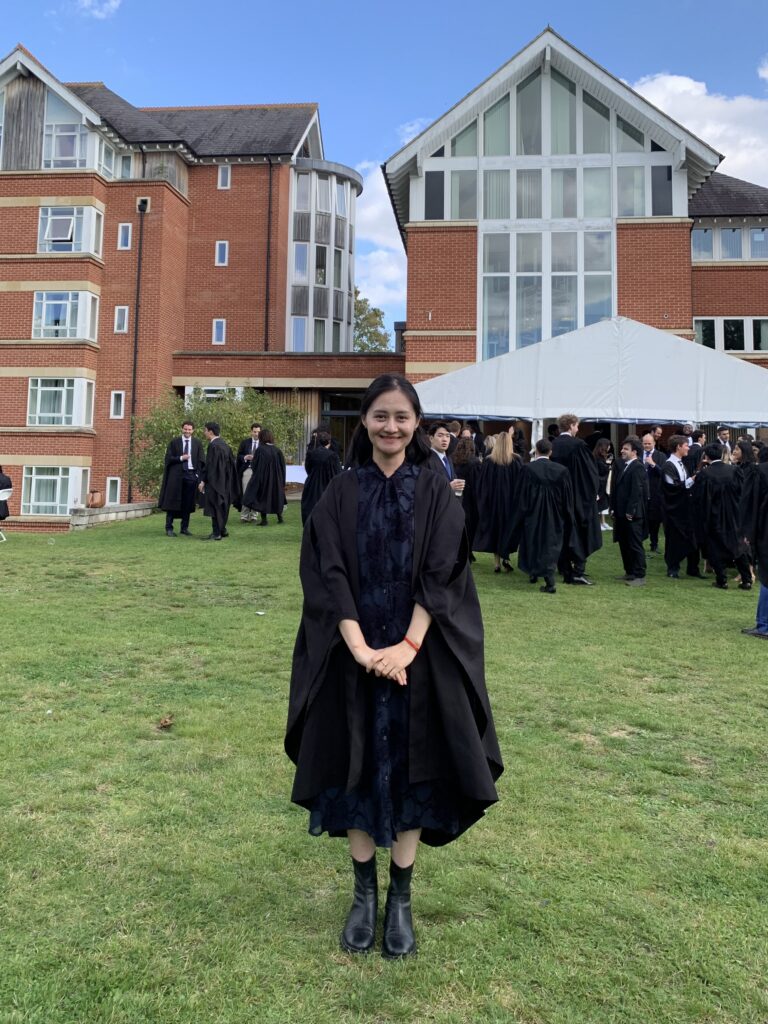
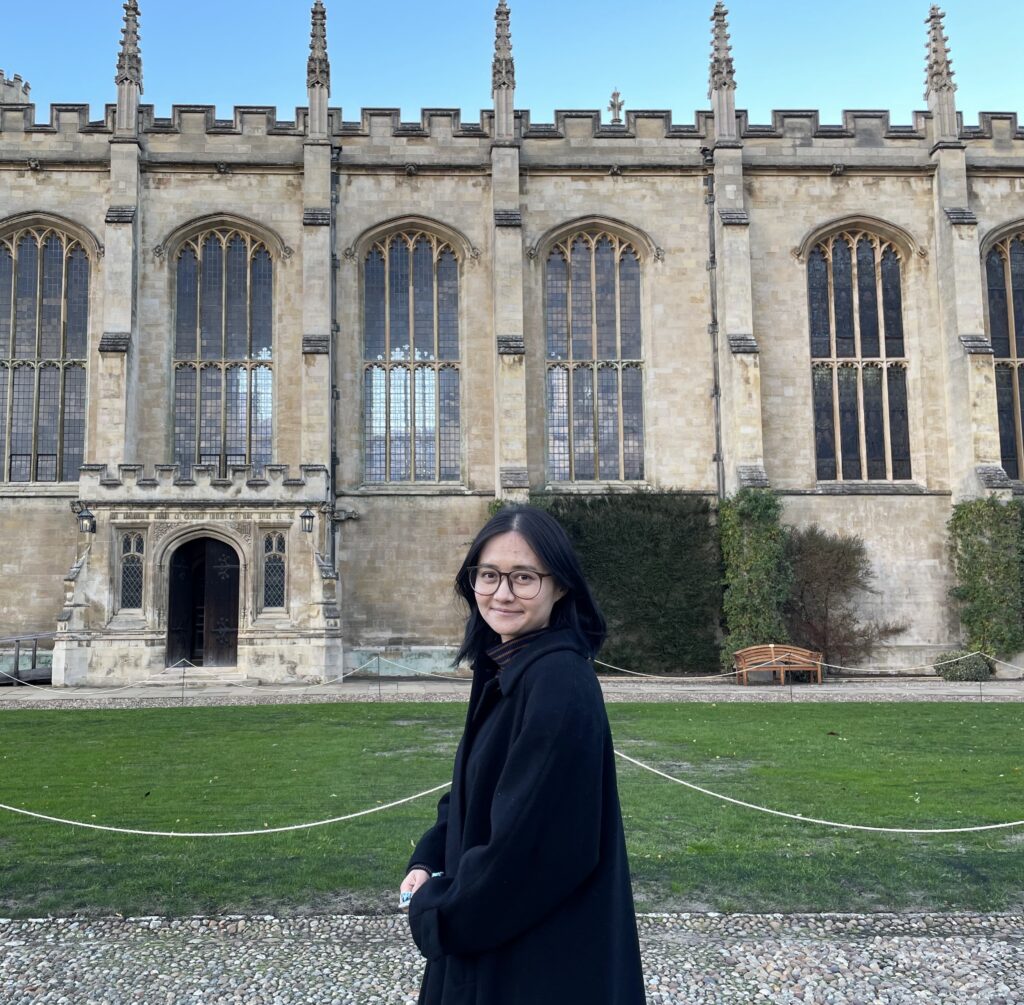
I must, however, confess that the greater excitement was far less noble: I was more thrilled because it fulfilled my childhood, or rather lifelong, dream of going to Hogwarts. So naturally, I arrived expecting a grand transformation from a place that suspiciously looked like it. And I was not entirely wrong, at least about the ancient libraries, grand dining halls, wise professors, students wandering in gowns in the stone courtyards and the occasional presence of someone who had won a Nobel prize. It was even better with the formal traditions and the quiet feeling that every corridor had been eavesdropping on centuries of ingenuity. In many ways, Cambridge was nothing short of Hogwarts. I imagined I would return home with life-changing ideas, better confidence and perhaps, some spells that would give me the calm authority of someone who had finally understood life. It felt like I was walking into a vast possibility of capturing the power to conquer the world. No one at that point would’ve been more ambitious than me.
I had worked in Bhutan for three years then, and I was finally beginning to realise how complex the housing sector was. I started off with a noble and slightly heroic ambition to change the affordable housing scene in Bhutan. It didn’t take me very long to understand that there’s only so much that architects can do on our own, but it took me a while to realise that solving housing problems was a national orchestra, requiring everyone to play their part. So my main aim at Cambridge was to work on some of these complicated housing questions and come back with answers.
Of course, Cambridge has its own way of humbling that ambition almost immediately. Having access to a thousand years of knowledge and getting to work on an almost peer-to-peer basis with some of the best scholars in the world made me realise that there is so much more we can do.
And did I make the most of it?
The best thing about being at Cambridge was the atmosphere that encouraged learning, especially through asking better questions. It seemed like everyone was working on something extraordinary, groundbreaking or world-changing. While this was exciting, the downside to it was a feeling of self-inadequacy that haunted everyone. For me, it was an oddly useful discomfort that drove me to lecture halls, libraries and societies, mostly in the hope that I might somehow catch up with everything everyone else seemed to be learning.
What saved me was the interdisciplinary nature of the place. Cambridge had a way of opening doors I did not even know existed. Besides the intense academic work, I kept discovering new subjects, new friends and new ways of thinking. Somewhere along the way, I also stumbled upon Bill Bryson’s writing on his travels through the UK in the 80’s, which became an unexpected companion to my own little journeys across the country. Reading him while travelling through the same country felt wonderfully fitting, as though I had met a witty, slightly sarcastic guide who had already noticed all the absurdities I was only beginning to see, such as the weather, the trains, the queues, the villages, and the strange charm of British politeness.
Reflecting back, I think I spent too much time trying to keep up, perform well, and appear like I had figured out everything. The most important lesson I learnt was that I don’t have to know everything and there is no single revelation to my goals. So, therefore, I might have considered being a little more open about seeming stupid sometimes, maybe.
Sonam Choden
National Housing Development Corporation Limited.